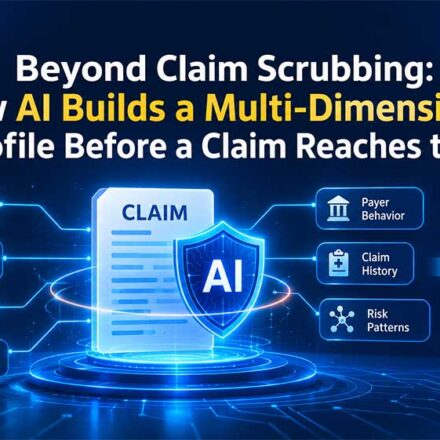





















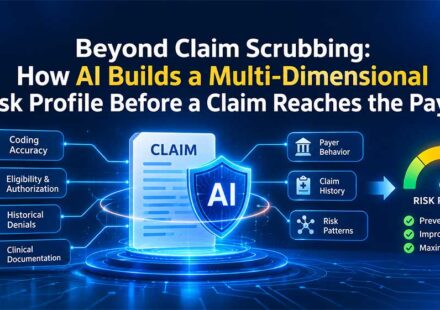
Beyond Claim Scrubbing: How AI Builds a Multi-Dimensional Risk Profile Before a Claim Reaches the Payer

A healthcare claim can pass every conventional validation check and still encounter a denial. A diagnosis code may be valid, the patient’s insurance may be active, and the required authorization may appear on file. However, the claim can still…
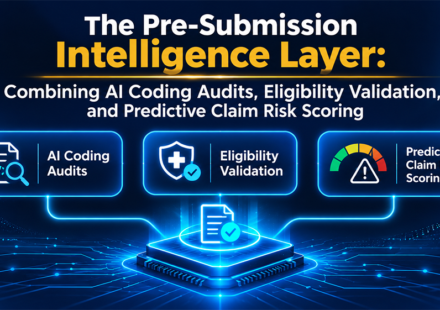
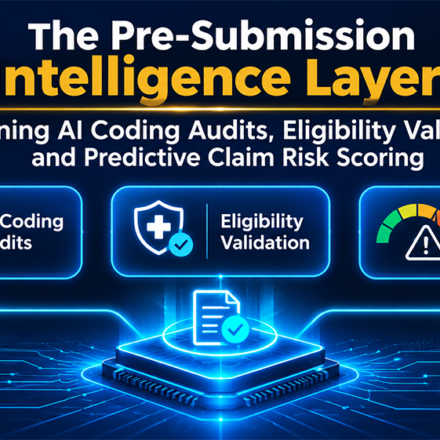
The Pre-Submission Intelligence Layer: Combining AI Coding Audits, Eligibility Validation, and Predictive Claim Risk Scoring
Healthcare organizations invest heavily in medical billing systems, coding teams, eligibility verification tools, and claim scrubbing software. However, even with these technologies in place, preventable claim denials continue to affect reimbursement…
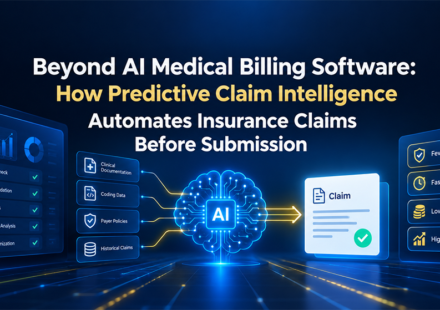
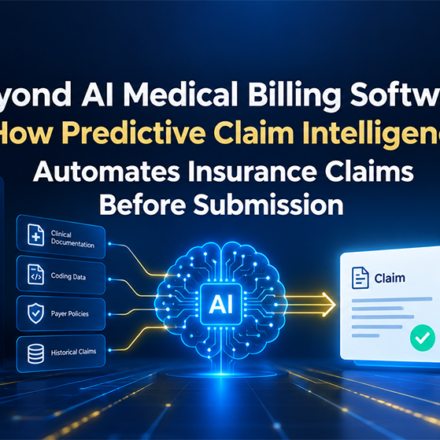
Beyond AI Medical Billing Software: How Predictive Claim Intelligence Automates Insurance Claims Before Submission
AI medical billing software is evolving beyond routine claim processing toward predictive claim intelligence that identifies denial risks before submission. AI models analyze claim history, payer behavior, coding, eligibility, and clinical documentation…
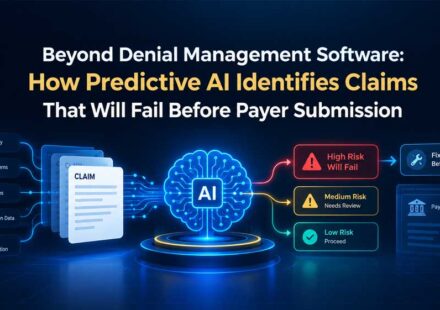
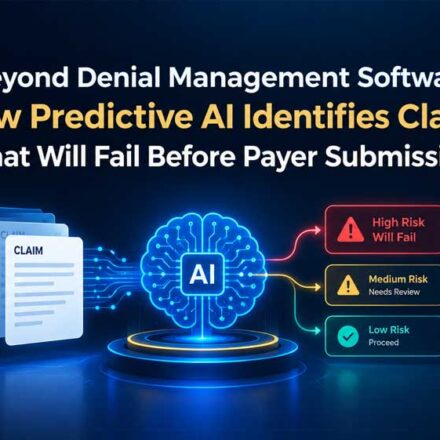
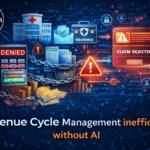
Beyond Denial Management Software: How Predictive AI Identifies Claims That Will Fail Before Payer Submission
Healthcare providers lose valuable time when claims reach payers with missing authorization details, incorrect codes, incomplete documentation, or payer-specific errors. Although traditional denial management software helps teams investigate rejected…
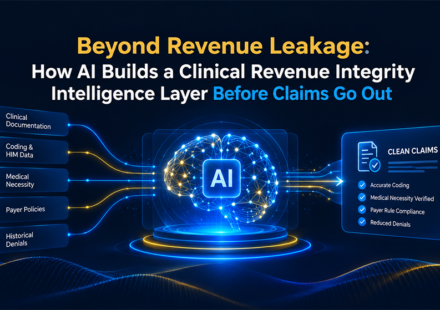
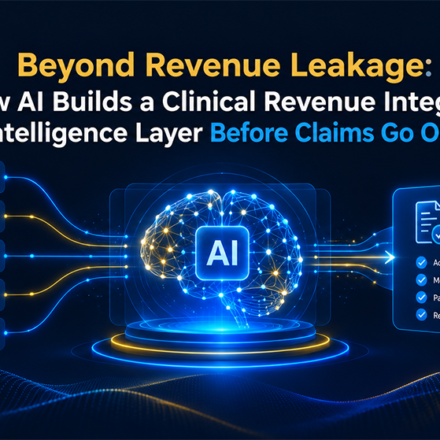
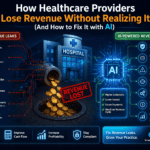
Beyond Revenue Leakage: How AI Builds a Clinical Revenue Integrity Intelligence Layer Before Claims Go Out
Healthcare organizations can lose revenue even when their billing teams follow established procedures, coding rules, and claim submission checklists. The underlying problem is often not a single billing mistake. Instead, it is the disconnect between…
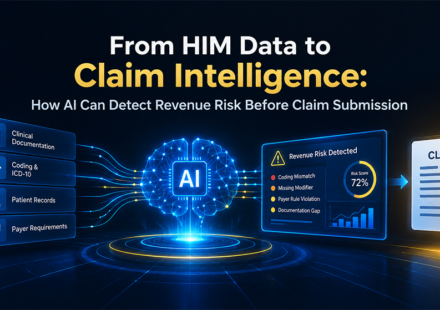
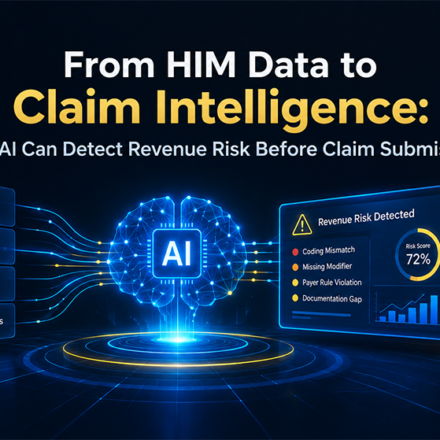
From HIM Data to Claim Intelligence: How AI Can Detect Revenue Risk Before Claim Submission
A claim may still face rejection or denial even when a healthcare organization documents the patient encounter, completes the coding process, and verifies insurance coverage. The underlying problem is often not a single missing field. Instead, it is a…
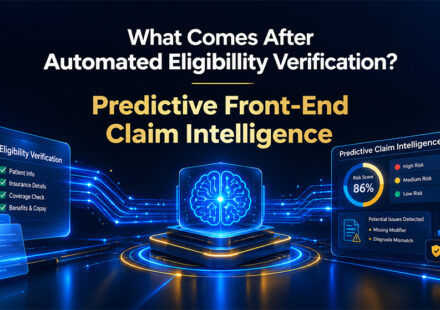
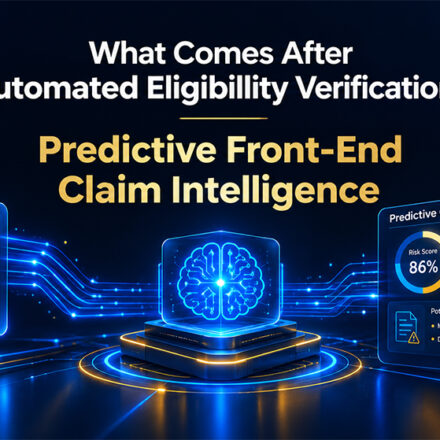
What Comes After Automated Eligibility Verification? Predictive Front-End Claim Intelligence
Automated eligibility verification has already changed how healthcare organizations validate insurance coverage before care is delivered. However, eligibility confirmation alone does not tell a revenue cycle team whether a claim is likely to be paid.…
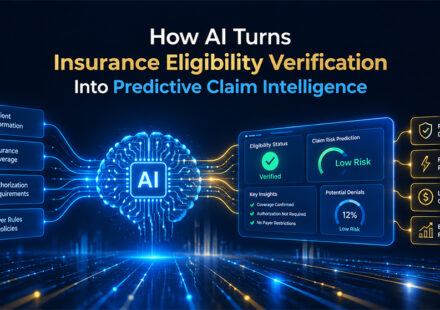
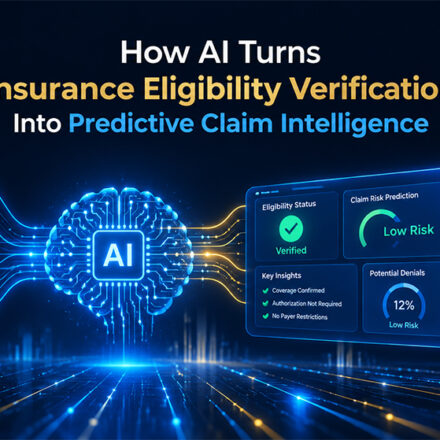
How AI Turns Insurance Eligibility Verification Into Predictive Claim Intelligence
Healthcare organizations have traditionally treated insurance eligibility verification as a front-end administrative task. Staff confirm coverage, check benefits, record the response, and then move the patient through the billing process. However, this…
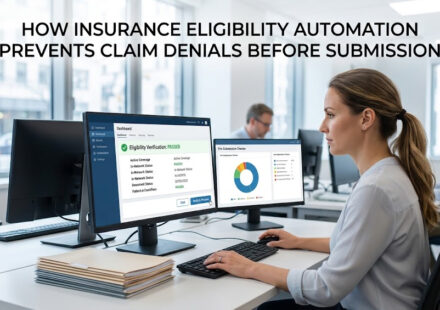
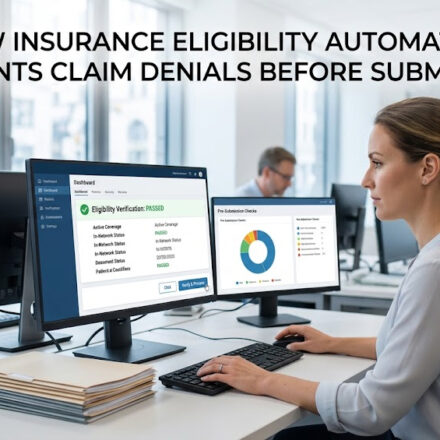
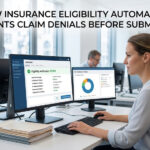
How Insurance Eligibility Automation Prevents Claim Denials Before Submission
Insurance eligibility automation uses software, electronic payer transactions, and predefined rules. These tools verify a patient’s insurance coverage before billing. AI-driven models can also identify potential claim risks before providers bill for…
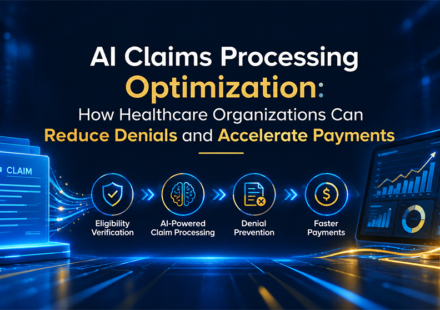
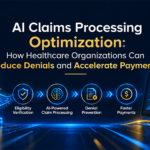
AI Claims Processing Optimization: How Healthcare Organizations Can Reduce Denials and Accelerate Payments
Healthcare organizations do not lose revenue only because claims are denied. They lose revenue when errors enter the claim before submission, when payer rules change faster than staff can track them, when eligibility information is incomplete, and when…