

What Comes After Automated Eligibility Verification? Predictive Front-End Claim Intelligence

Automated eligibility verification has already changed how healthcare organizations validate insurance coverage before care is delivered. However, eligibility confirmation alone does not tell a revenue cycle team whether a claim is likely to be paid.…

How AI Turns Insurance Eligibility Verification Into Predictive Claim Intelligence
Healthcare organizations have traditionally treated insurance eligibility verification as a front-end administrative task. Staff confirm coverage, check benefits, record the response, and then move the patient through the billing process. However, this…
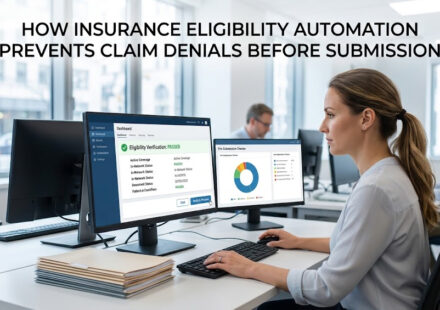
How Insurance Eligibility Automation Prevents Claim Denials Before Submission
Insurance eligibility automation uses software, electronic payer transactions, and predefined rules. These tools verify a patient’s insurance coverage before billing. AI-driven models can also identify potential claim risks before providers bill for…
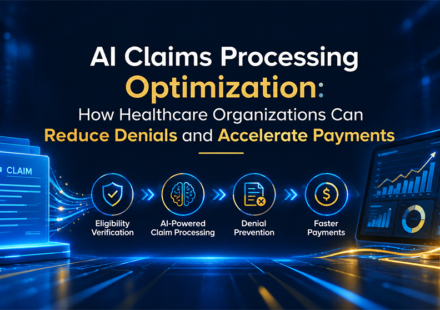
AI Claims Processing Optimization: How Healthcare Organizations Can Reduce Denials and Accelerate Payments
Healthcare organizations do not lose revenue only because claims are denied. They lose revenue when errors enter the claim before submission, when payer rules change faster than staff can track them, when eligibility information is incomplete, and when…
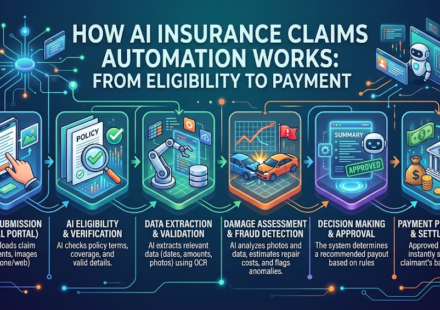
How AI Insurance Claims Automation Works: From Eligibility to Payment
Healthcare organizations are under growing pressure to process insurance claims faster while reducing denials, administrative costs, and revenue leakage. The problem is that a claim does not become clean simply because it is submitted electronically.…
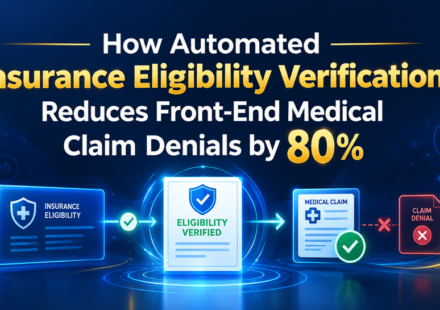
How Automated Insurance Eligibility Verification Reduces Front-End Medical Claim Denials by 80%
A medical claim can be denied before a provider ever gets the chance to prove that the care was medically necessary. Often, the problem starts much earlier when providers enter incorrect insurance information, verify inactive coverage, use outdated payer…